Dagga: a South African story
The plant was here long before the laws were. A short history of cannabis in southern Africa, from the word itself to the Constitutional Court.
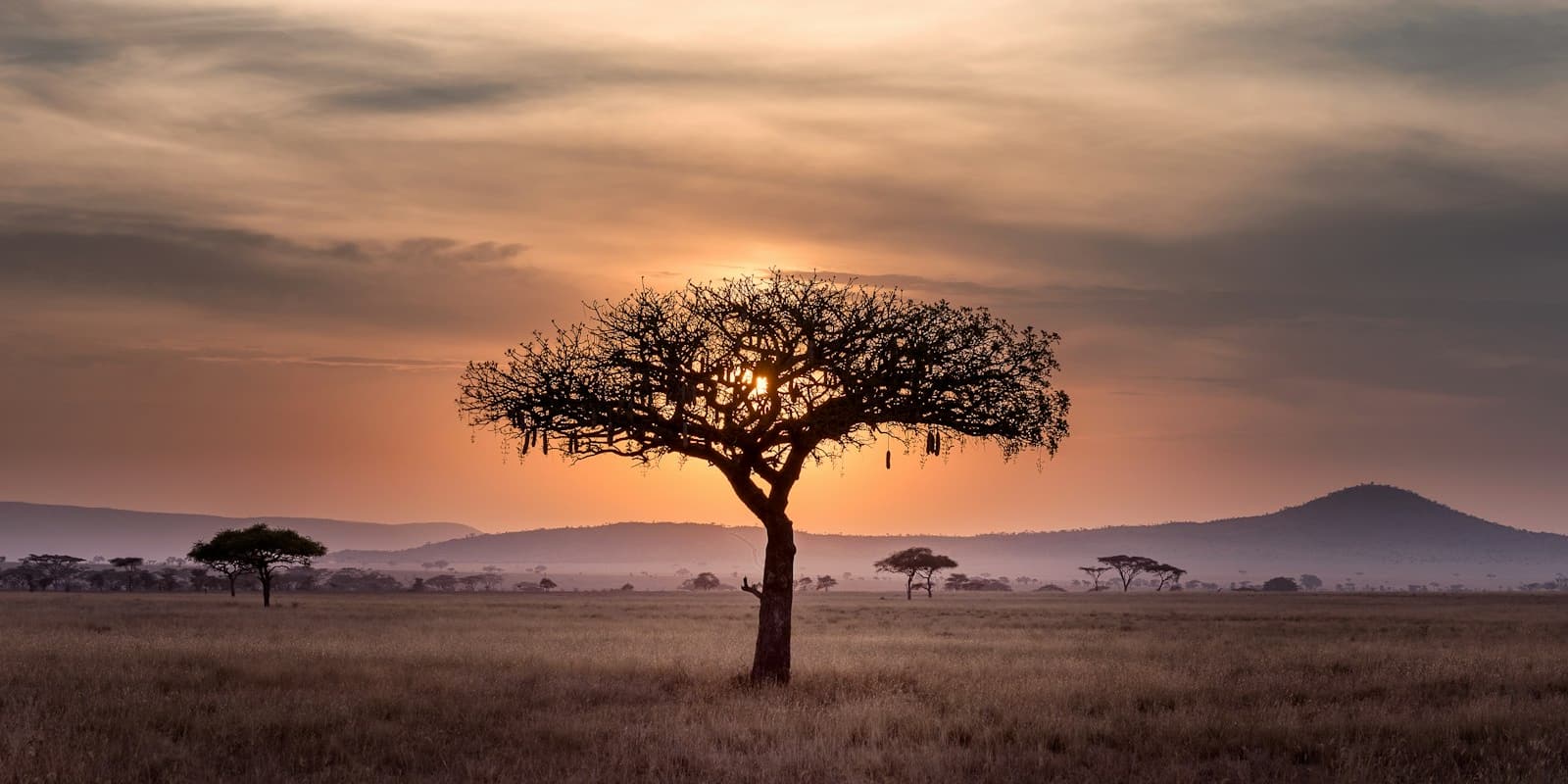
Cannabis did not arrive in South Africa with the twentieth century, and neither did the argument about it. The plant has been part of life in this part of the world for a very long time, and the word most South Africans use for it carries that history in its spelling.
The word
Dagga comes into Afrikaans and South African English from Khoekhoe, the language of the Khoikhoi. It is one of a small number of words in daily South African use that came from the region's first languages rather than from Europe or the East — which tells you something about how long the plant has been here, and who was using it when the borrowing happened.
Long before prohibition
Cannabis reached southern Africa well before European settlement, most likely carried down the east coast through trade routes from Asia and India. By the time it was written about by outsiders, it was already woven into everyday life among Khoisan and Bantu-speaking communities — used socially, ritually and medicinally, and grown as an ordinary crop.
Early colonial administrations noticed it and were relaxed about it for a good while. That changed as cannabis became entangled with labour: as mining and industry grew, the plant that workers used became a problem to be managed rather than a custom to be ignored.
Prohibition, and who it was for
South Africa moved against cannabis early and hard. Restrictions tightened through the early twentieth century, and South Africa was among the countries pressing for cannabis to be brought under international control in the 1920s — a push that helped put the plant into the treaty system the rest of the world still works within.
What followed is difficult to separate from the country's wider history. Enforcement fell heaviest on Black South Africans, and a dagga conviction became one more mechanism among many for control, arrest and a criminal record. Whatever one thinks about cannabis, the record on who was policed for it is not really in dispute.
The turn
The change, when it came, came through the courts rather than through Parliament, and it came through privacy rather than through commerce.
In September 2018 the Constitutional Court, in a case brought by Gareth Prince and others, found that criminalising the private use of cannabis by adults was an unjustifiable intrusion into the right to privacy. It decriminalised use, possession and cultivation by an adult, in private, for personal use — and left the detail to Parliament.
That detail arrived with the Cannabis for Private Purposes Act, signed in 2024, which put the principle onto the statute book and provided for the expunging of certain past convictions for personal-use offences. That last part matters more than it sounds: it is the state acknowledging that people carry records for something that is no longer a crime.
Where that leaves a club
South Africa's freedom here is a private one. It is not a licence to trade, and the law has not turned cannabis into an ordinary retail product. A private members' club works inside that frame — adults who have chosen to belong, each with their own private entitlement, doing together and in the open what the law protects them doing privately.
There is something fitting about that. A plant that has been grown and shared in this part of the world for centuries, and criminalised for less than one, is being grown and shared again — with a register, a lab report and a receipt this time, which is the part that is genuinely new.
This is a short history, not a complete one, and it is general information rather than legal advice.