How cannabis is grown: sun, glass and light
Outdoor, greenhouse or indoor — how a plant is grown shapes its character, its footprint and its price.
When a member asks how something was grown, they are really asking three questions at once: what will it be like, what did it cost the earth, and what will it cost me. Grow method touches all three.
The three ways
- Outdoor — grown in the ground under the sun, the oldest and most natural method. It has the smallest environmental footprint and the lowest cost, and it carries the character of its season and place. It yields once a year and is at the mercy of the weather.
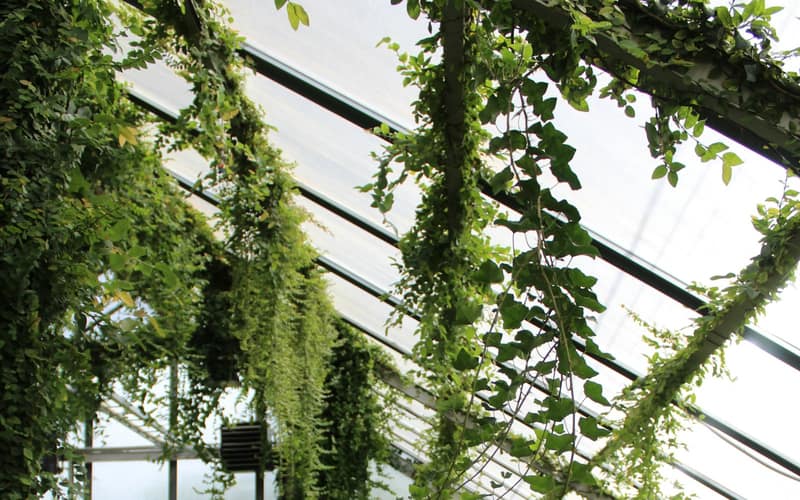
- Greenhouse — a middle path. The sun still does the work, but glass or plastic gives the grower some control over temperature, light and pests. A good balance of quality, consistency and cost.
- Indoor — grown entirely under artificial light, with everything controlled. It can produce very consistent, high-potency flower and grow all year round, but it is energy-hungry and expensive, and that shows in the price.
South Africa's own landraces — Durban Poison among them — were outdoor plants, shaped over generations by a specific climate. That is what a landrace is: a variety adapted to its place.
The life of a plant
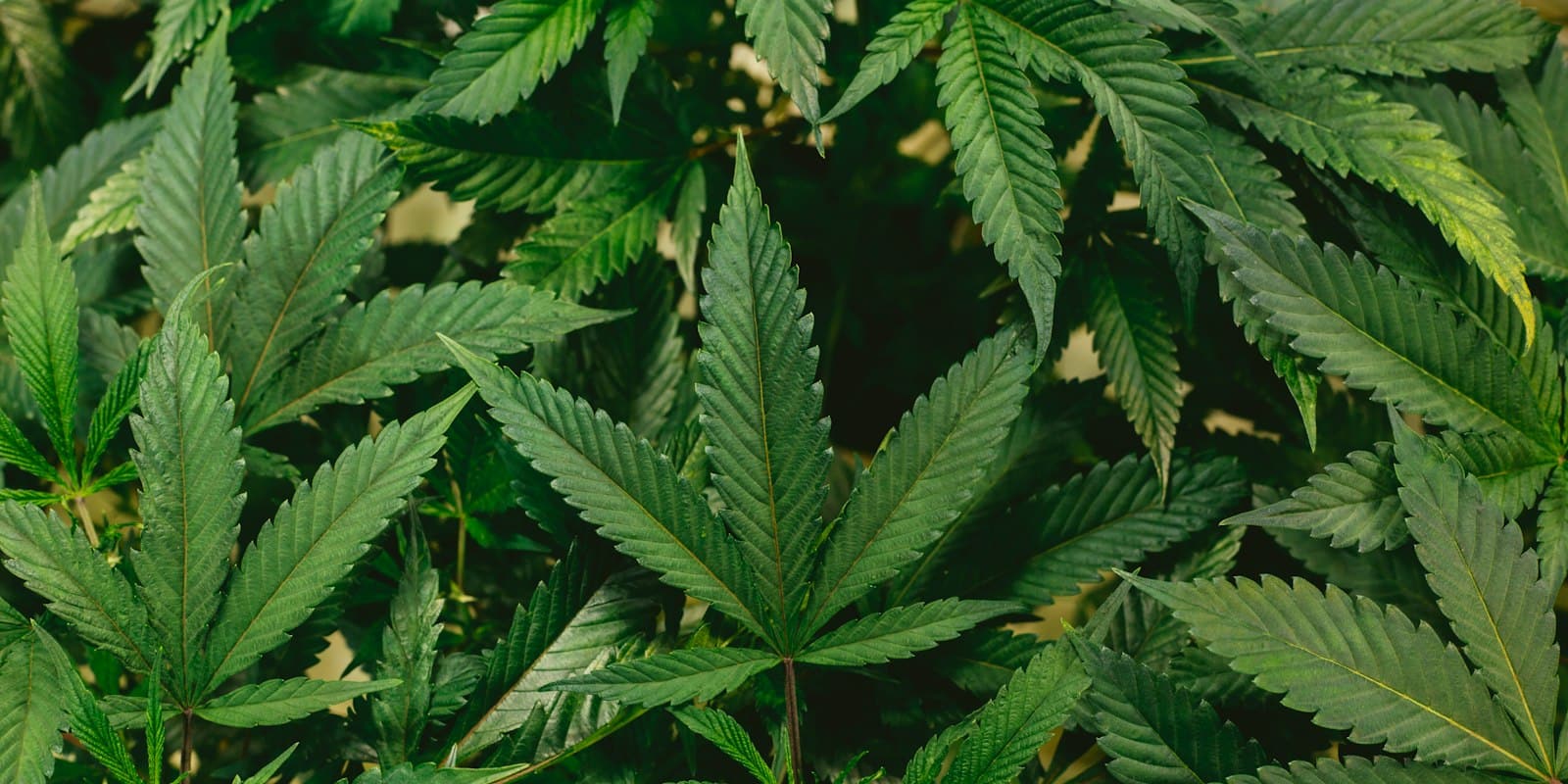
However it is grown, the arc is the same: a seed or a cutting, a vegetative stage of leafy growth, then a flowering stage triggered by the length of the day, and finally harvest, drying and curing — the patient final step that turns raw flower into something worth smoking.
Why the club grows
The members'-club model rests on cultivation: rather than buying from an unknown market, the club grows on its members' behalf, within each member's own private entitlement. That is what lets a member trace a gram back to a plant — to know its strain, its method, and its story — instead of taking it on trust.