Getting Started5 min read
A plain-English glossary of cannabis terms
THC, terpene, tincture, cultivar — the words you'll hear at the club, gathered in one place.
Every world has its own vocabulary, and cannabis has more than most. Here are the words worth knowing, in plain terms.
The plant and its chemistry
- Cannabinoid — one of the plant's active compounds. THC and CBD are the famous two; there are more than a hundred others.
- THC — the intoxicating cannabinoid, responsible for the "high".
- CBD — a non-intoxicating cannabinoid, thought to soften some of THC's edges.
- CBN — a cannabinoid that appears as THC ages; associated with older, more sedating flower.
- Terpene — an aromatic oil that gives a cultivar its smell and helps shape its character. Also found in citrus, pine and lavender.
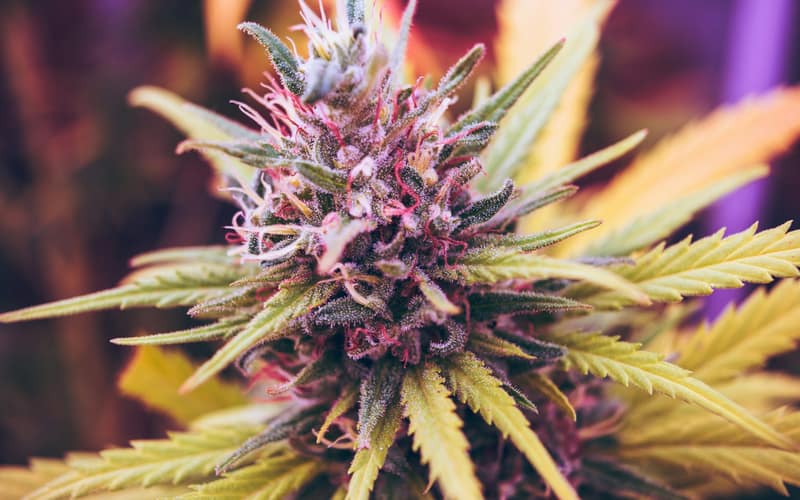
- Trichome — the tiny, frosty resin gland on the flower where the plant makes most of its cannabinoids and terpenes.
- Entourage effect — the idea that cannabinoids and terpenes work together, so the whole is different from the sum of its parts. A popular hypothesis, still being researched.
Kinds and names
- Cultivar / strain — a particular variety of cannabis, like a variety of apple. "Cultivar" is the more accurate word; "strain" is the common one.
- Indica / sativa / hybrid — a rough shorthand for a cultivar's character. Looser than most people think — see our piece on it.
- Landrace — a variety that adapted over generations to a specific place. South Africa's own Durban Poison is one.
- Potency — how strong something is, usually given as a THC percentage.
Forms
- Flower — the dried, cured buds of the plant; the classic form.
- Edible — a food or drink infused with cannabis. Slow to arrive, and easy to overdo.
- Tincture — a liquid extract, usually taken under the tongue.
- Topical — a cream or balm applied to the skin, generally without a "high".
- Concentrate / extract — a product that has concentrated the plant's resin; much stronger than flower.
Using it
- Tolerance — how used to cannabis your body has become. It rises with regular use, so the same amount does less.
- Onset — how long a method takes to be felt. Minutes for smoking; up to two hours for an edible.
- Decarboxylation ("decarb") — heating cannabis so its cannabinoids become active. Smoking does it instantly; edibles need it done in the kitchen first.
- Microdose — a deliberately small amount, taken for a light, functional effect rather than a strong one.
Keep this open on your first few visits. Nobody expects you to arrive fluent.