Indica, sativa, and a shorthand worth questioning
"Indica for night, sativa for day" is a handy rule of thumb — and a shakier one than most people realise.
Nearly everyone meets cannabis through a single distinction: indica relaxes you and pins you to the couch; sativa lifts you and gets you going. It is a useful shorthand, and it is worth knowing how loose it really is.
Where the words come from
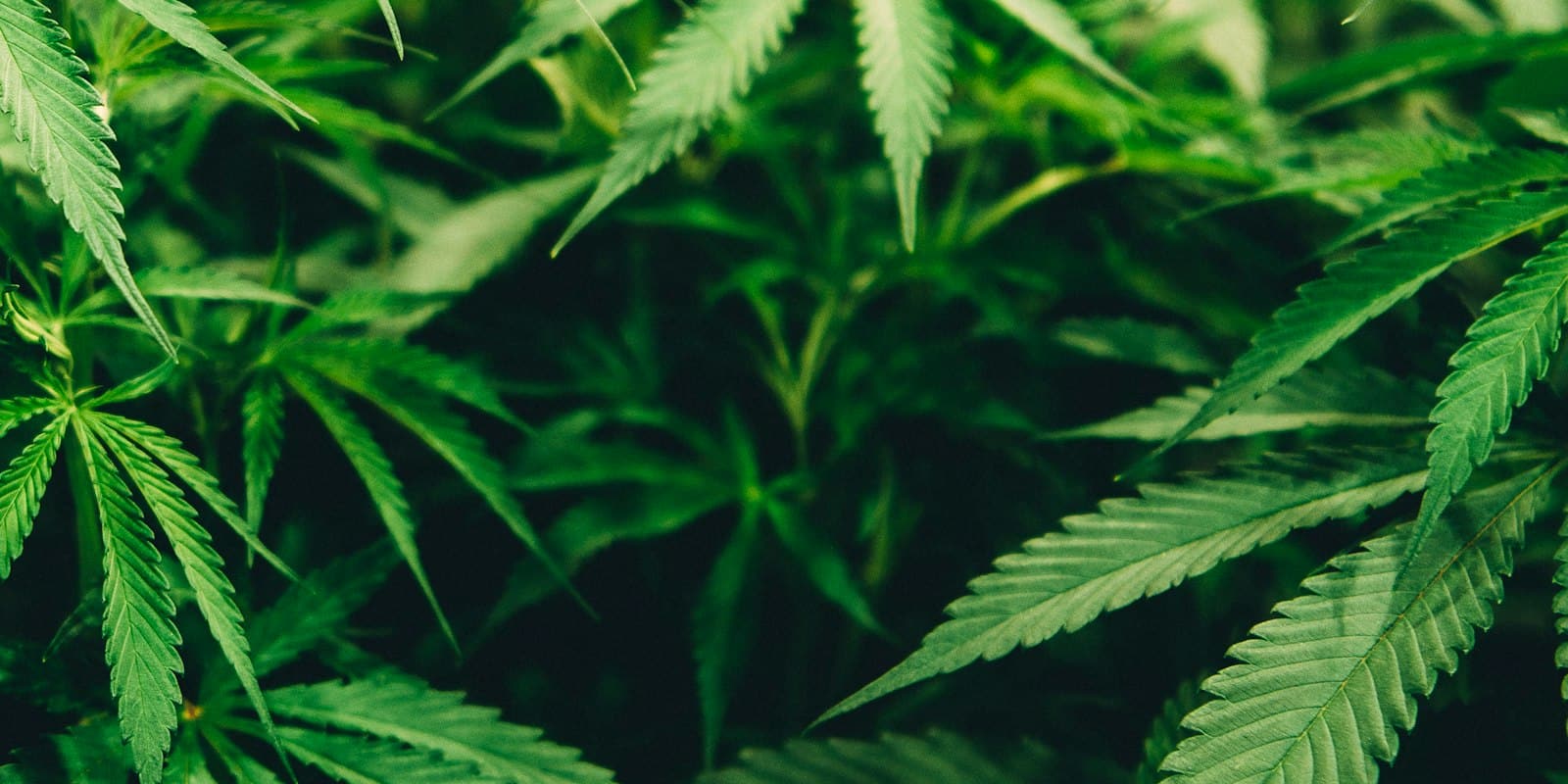
"Indica" and "sativa" began as botanical terms describing how the plant grows — broad leaves and short bushy plants versus narrow leaves and tall lanky ones. They described shape, not effect. Over centuries of crossbreeding, almost everything grown today is a hybrid, and the tidy split between the two barely exists in the plant itself any more.
Why the effect labels wobble
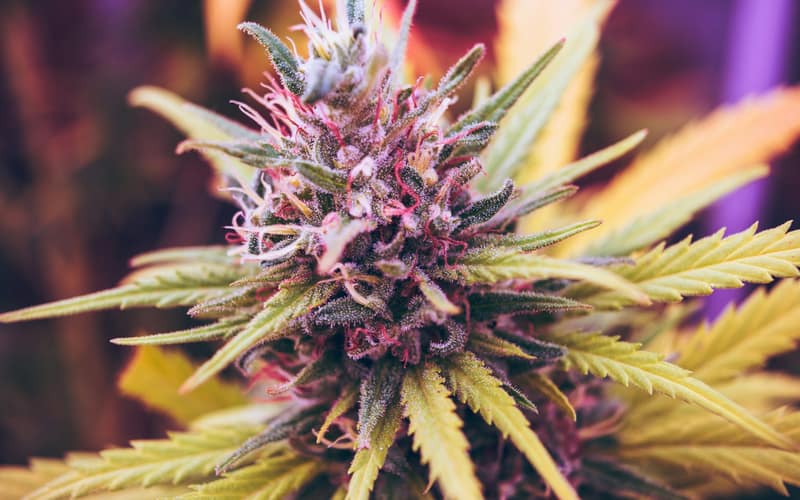
The feeling a cultivar gives comes from its chemistry — its cannabinoids and terpenes — far more than from whether a grower filed it under indica or sativa. Two "indicas" can behave nothing alike, and a "sativa" heavy in myrcene can be as sedating as anything. The label is a starting point, not a promise.
A better way to choose
- Follow the chemistry, not just the name. Ratio of THC to CBD, and the terpene profile, tell you more.
- Keep your own notes. How a cultivar actually landed for you last time beats any category. (This is exactly what the ratings in your member portal are for.)
- Mind the setting. Dose, tolerance, mood and company shape an experience as much as the plant does.
None of this means the shorthand is useless — it is a reasonable first guess, and staff and members will keep using the words because everyone understands them. Just hold the label loosely, and let your own experience have the final say.