Reading a label: what the numbers mean
THC and CBD percentages, weights and dates — how to read what's on the jar, and what the numbers don't tell you.
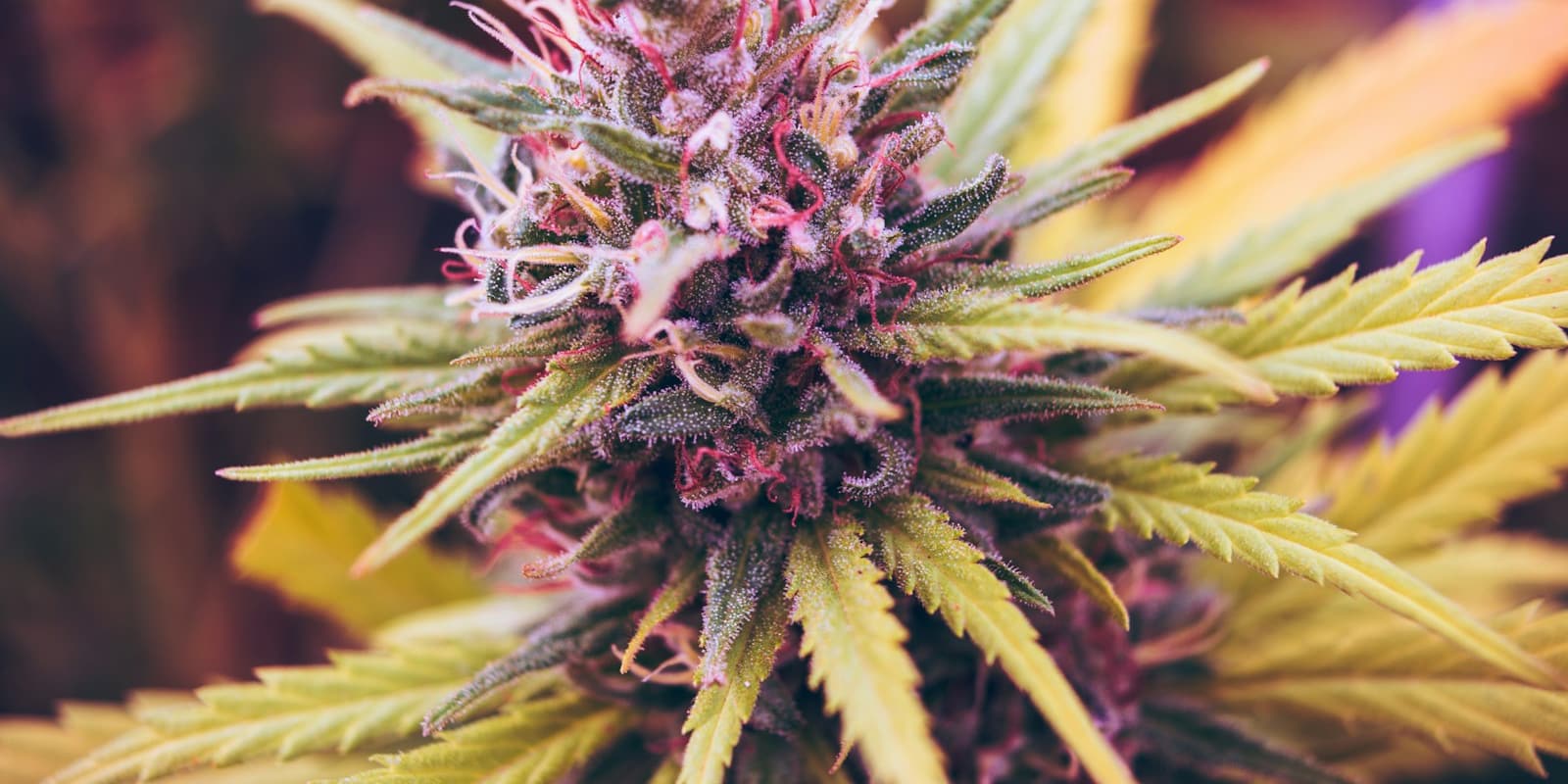
A label can look like a spec sheet in a language you do not speak. Most of it is simpler than it appears, and the most prominent number is the least useful.
The percentages
- THC % — how much of the flower's weight is THC. Loosely: under about 15% is gentle, the high teens to low twenties is typical, and above that is strong. It is a guide to intensity, not to quality.
- CBD % — how much CBD is present. A cultivar with meaningful CBD alongside its THC often feels gentler and clearer than the THC figure alone would suggest.
- Total cannabinoids — sometimes given, adding in the smaller players. Useful, rarely essential.
Why the big number lies a little
A single THC figure is the thing everyone reaches for and the thing that tells you least. Two cultivars at the same THC percentage can feel nothing alike, because the terpenes and the ratio of THC to CBD shape the experience at least as much. Chasing the highest number is how people end up with flower that is strong and characterless — and often more than they wanted.
The rest of the label
| On the label | What it tells you |
|---|---|
| Weight | How much you are taking, in grams — what your allowance is measured in |
| Cultivar / strain | Which variety it is, so you can look it up or repeat it |
| Grow method | Outdoor, greenhouse or indoor — see how cannabis is grown |
| Harvest or packaged date | Roughly how fresh it is; flower is best within a year or so, kept well |
What to actually do with it
Read the label after your nose, not before it. Let the aroma and the staff's description lead, use the CBD-to-THC balance to judge how gentle it will be, and keep the cultivar name so a good one is a good one you can find again. The percentage is the last thing to look at, not the first.