Trichomes: where the plant keeps its potency
Those frosty crystals aren't dust — they're where cannabis makes almost everything you're there for.
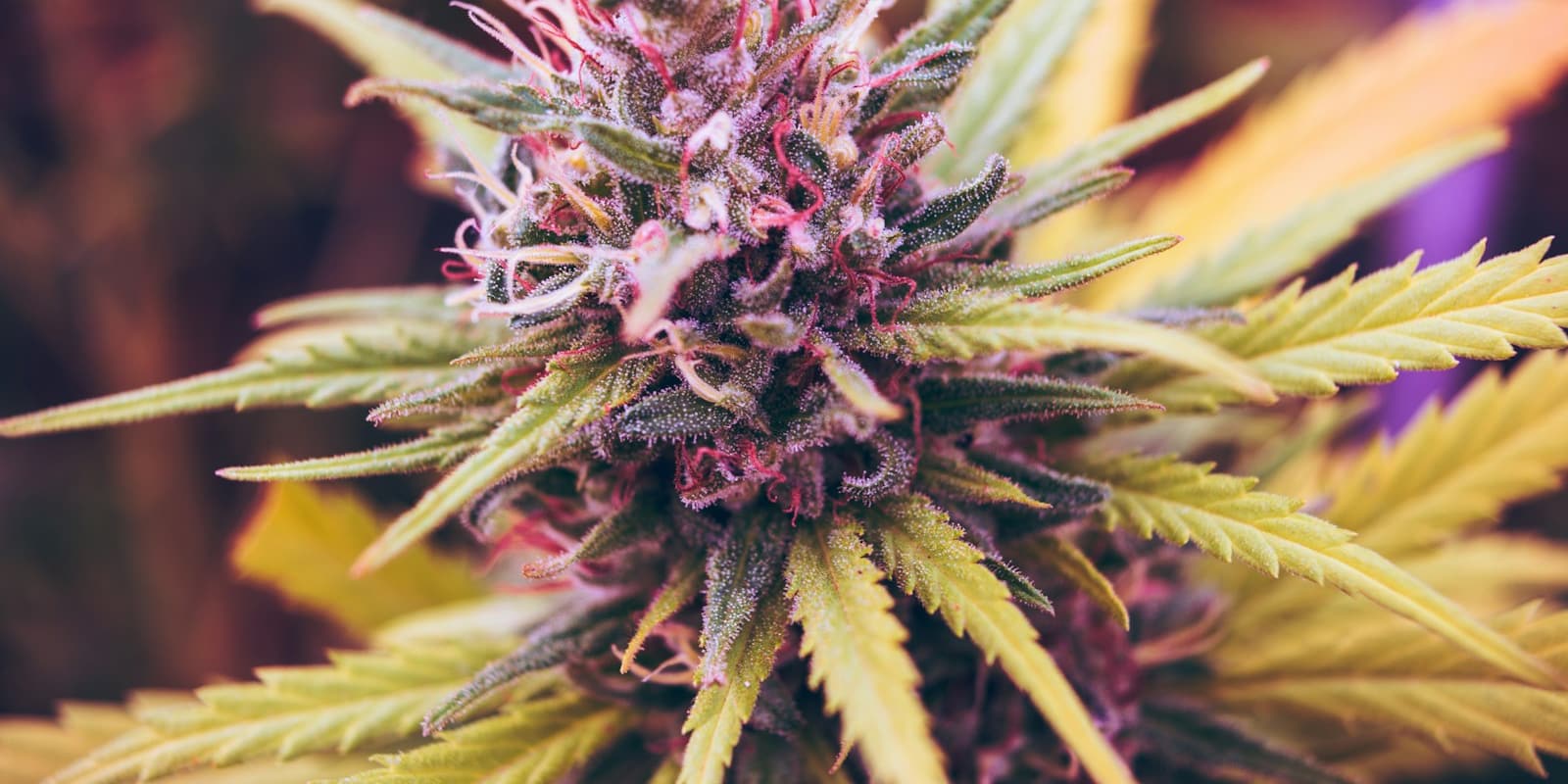
Look closely at good cannabis flower and it seems dusted with frost, catching the light. That is not dust and it is not sugar — it is the whole point of the plant.
The resin factories
Those crystals are trichomes: tiny, stalked glands, each one topped with a bulbous head, standing up off the surface of the flower and the small leaves around it. Inside those heads is where the plant makes its resin — and in that resin sit almost all of the cannabinoids (THC, CBD and the rest) and the terpenes that carry the aroma.
In other words, when you choose a flower for its strength or its smell, you are really choosing it for its trichomes. Everything you are there for is made and stored in them.
Why the plant bothers
Cannabis did not grow these for us. The resin is thought to protect the plant — deterring pests, guarding against UV light, and helping it cope with stress. That it happens to be what humans prize is a lucky accident of botany.
Reading them, and handling them
Growers watch the trichomes to judge when to harvest. Under magnification the heads shift from clear to a milky, cloudy white and then to amber, and where a grower stops in that arc shapes how the finished flower feels — cloudy tends toward a brighter effect, amber toward a heavier one.
They matter to you after harvest, too. Trichomes are fragile: rough handling, heat and light knock them off and break them down, which is part of why cannabis is stored cool, dark and sealed. The loose, dusty residue that collects at the bottom of a well-used grinder is trichomes that have fallen off — kief — and it is potent precisely because it is almost pure resin.
Next time flower looks frosty, you are looking at the plant's chemistry, out in the open.