Judging cannabis yourself: the five-minute method
The same things a cup judge scores, done at a counter with your eyes, your nose and your fingers.
You do not need a laboratory to tell good cannabis from careless cannabis. Most of what a competition judge scores is available to anyone with a jar, a minute and a bit of practice. Here is the order to do it in, and what each step is actually telling you.
1. Look
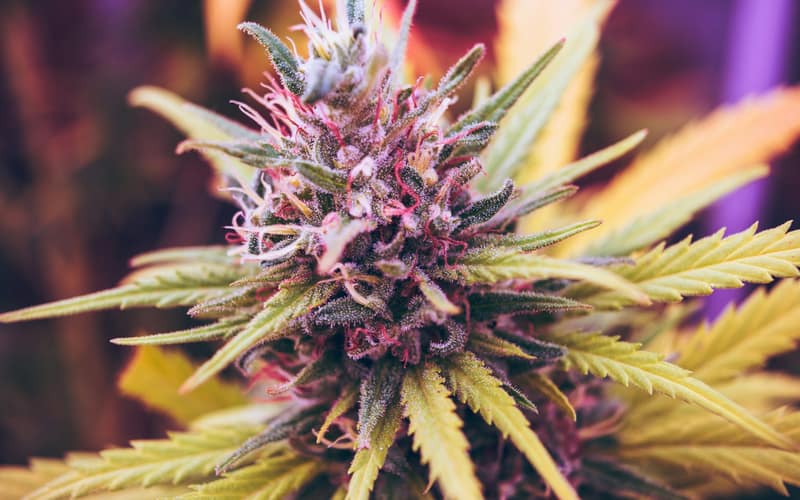
Hold it to the light and look at the trichomes — the resin glands that carry the cannabinoids and terpenes. You want a frosted look, dense enough that the surface glitters rather than merely sparkles here and there.
Then look at the trim. Tight, clean trimming says somebody took time; ragged leaf left on says they did not, and leaf is harsh to smoke. Look at structure: dense is generally good, but "rock hard" can also mean it was pressed or grown for weight.
Colour should be a living green with the cultivar's own accents — purples, ambers, deep olives. Uniform pale brown or khaki usually means age, heat, or light damage.
Seeds and hermaphrodite bananas are a fault. A few seeds happen; a jar full of them is a grow that went wrong.
2. Smell
Open the jar and smell immediately, before your nose adjusts. First impressions are the honest ones.
You are asking three things. Is it loud — does the aroma arrive without you having to hunt for it? Is it complex — one note, or several? And is it clean? A hay or grass smell means it was dried too fast or too warm. A sharp ammonia note means it was jarred while damp and is going wrong. Neither is a matter of taste; both are faults.
3. Feel
Take a bud and press gently. It should give slightly and spring back. Too dry and it crumbles to dust — the terpenes went with the moisture. Too wet and it feels spongy or cool, which is a mould risk and the reason ammonia smells appear.
Then break it open by hand rather than grinding. A properly cured bud snaps and opens; the inside should smell stronger than the outside did, because you have just torn open glands that were sealed.
4. Burn
If you are smoking it, watch two things. A good flower burns fairly evenly and leaves pale grey to white ash. Dark, dense ash that needs relighting usually means moisture, leftover leaf, or in the worst case nutrients that were not flushed before harvest.
5. Write it down
This is the step everybody skips and the one that actually builds a palate. Three lines is enough: what it smelled of, how it burned, and where it took you. Do that for a season and you will stop needing anybody's scorecard — including a cup's.
What this method cannot see
Be honest about the limits. Your eyes and nose cannot measure potency, and they cannot detect pesticide residue, mould spores or heavy metals. That is what testing is for, and it is a fair thing to ask a club about. What the method above tells you is whether the plant was grown and finished with care — which, in practice, is most of what separates a jar you enjoy from one you do not.